


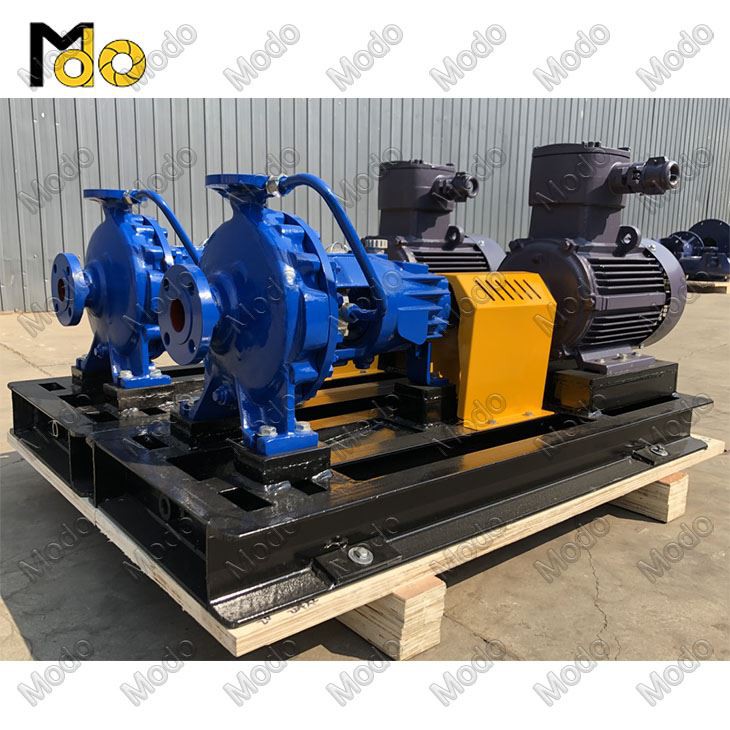


Chlorine Feed Chemical Pump
Chlorine feed chemical pump is a highly advanced type of pump that is designed specifically for the safe and efficient handling of chemicals. These pumps are used in a variety of industries, including pharmaceuticals, petrochemicals, and water treatment plants. One of the main advantages of...
Chlorine feed chemical pump is a highly advanced type of pump that is designed specifically for the safe and efficient handling of chemicals. These pumps are used in a variety of industries, including pharmaceuticals, petrochemicals, and water treatment plants.
One of the main advantages of chlorine feed potassium hydroxide super chemical pump is that it is able to handle a wide range of chemicals, including corrosive and hazardous substances. This is achieved through the use of specialized materials and coatings that are resistant to chemical wear and tear.
Another benefit of chlorine feed chemical pump is that it is highly efficient, meaning that it uses less energy and requires less maintenance than traditional pumps. This is achieved through advanced design and engineering, which ensures that the pump operates at peak performance and minimizes waste.
Overall, chlorine feed potassium hydroxide super chemical pump is an essential piece of equipment for any industry that handles chemicals. With its advanced features and capabilities, it ensures the safe and efficient handling of these substances, while also improving productivity and reducing costs.
How to choose chlorine feed?
Chlorine feed is an important component of water treatment, helping to keep our water supply safe and clean. Choosing the right chlorine feed requires careful consideration of several factors to ensure that the treatment system is effective and efficient. Here are some tips on how to choose the best chlorine feed for your needs:
1. Know your water quality: Understanding the quality of your water is crucial in determining the appropriate type of chlorine feed. This includes factors such as pH, hardness, alkalinity, and the presence of other contaminants. This information can help determine the type and amount of chlorine feed needed.
2. Consider your budget: Different types of chlorine feed systems come with varying costs. It's important to evaluate the costs of each system against its benefits to determine which one provides the best value for your money.
3. Evaluate the water treatment system: The type of water treatment system in place can impact the type of chlorine feed needed. Some systems, such as ozone systems, may require a lower dose of chlorine feed, while others, such as reverse osmosis, may require a higher dose.
4. Look at the environmental impact: When choosing a chlorine feed, it's important to consider the impact on the environment. Look for systems that minimize the use of chemicals and use sustainable treatment methods, such as UV light.
5. Consider the size of the system: The size of your water treatment system is an important factor in determining the type of chlorine feed needed. A larger system may require a larger and more expensive chlorine feed system.
In conclusion, choosing the right chlorine feed requires a careful evaluation of several factors. By considering water quality, budget, treatment system, environmental impact, and system size, you can choose the best chlorine feed for your needs.
How to choose the flushing type for chlorine feed chemical pump?
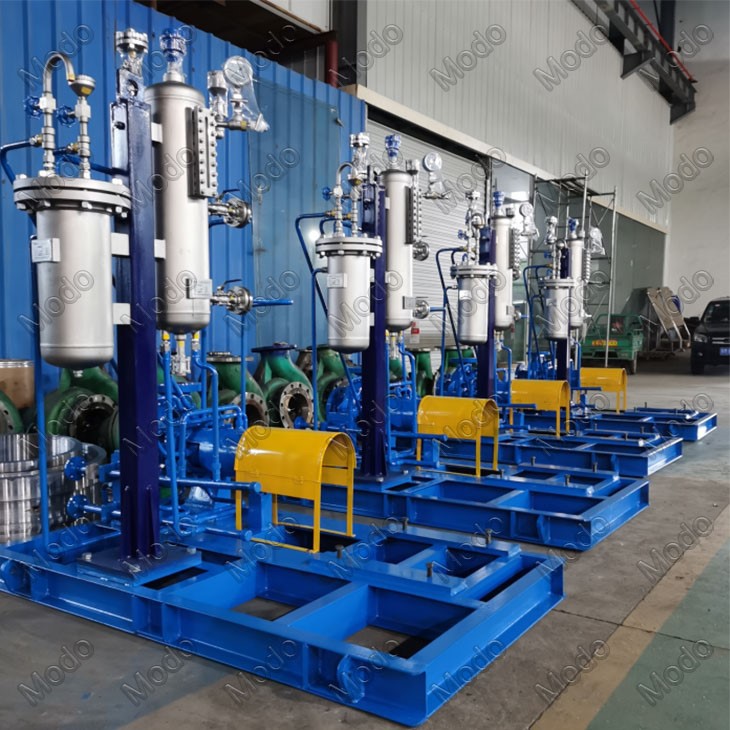
When it comes to chemical pumps, selecting the appropriate flushing type is crucial. The flushing system prevents the pumped medium from infiltrating the outer chamber and prevents possible leakage and damage to the environment. The three main flushing types for chemical pumps are gland packing, mechanical seals and magnetic drives. Here are some guidelines to consider when choosing the appropriate flushing type for your chemical pump.
Firstly, it is important to determine the media being pumped. This includes analyzing the pH, temperature, and viscosity of the material. Abrasiveness and chemical composition should also be considered. Choosing a flushing system that is compatible with the media being pumped is essential in preventing corrosion or chemical degradation.
Next, consider the operational conditions of the pump such as the flow rate and pressure. Mechanical seals are suitable for higher pressure applications, while magnetic drives and gland packing are perfect for lower pressure systems. In addition, magnetic drives are ideal for higher viscosity liquids as they prevent any possible leaks.
Another important factor to consider is maintenance. Gland packing requires more regular maintenance due to the wear and tear of the packing material. Mechanical seals and magnetic drives require less frequent maintenance and are often a better choice for long-term use.
Overall, choosing the right flushing type for your chemical pump will ensure safe and efficient operation. By considering the media being pumped, operational conditions, and maintenance requirements, you can choose a flushing system that meets your needs and ensures long-term reliability.
How to select pump to transfer potassium hydroxide?
When selecting a pump to transfer potassium hydroxide, it's important to choose the correct type of pump to ensure safe and efficient transfer. Here are some tips to help you choose the right pump:
1. Consider the viscosity of the liquid. Potassium hydroxide is a viscous liquid, so it's important to choose a pump that can handle high viscosity fluids. Positive displacement pumps such as diaphragm pumps or peristaltic pumps are a good choice for viscous fluids.
2. Check the chemical compatibility. Potassium hydroxide is a strong base and can be corrosive to some materials. Make sure the pump materials are compatible with the potassium hydroxide to avoid damage to the pump or contamination of the chemical.
3. Determine flow rate and head pressure requirements. The flow rate and head pressure required will depend on the amount of potassium hydroxide that needs to be transferred and the distance it needs to travel. Choose a pump that can meet the necessary flow rate and head pressure specifications.
4. Consider the environment. Are there any specific environmental considerations that need to be taken into account when transferring potassium hydroxide? For example, if the pump is going to be used in a hazardous environment, it's essential to choose a pump that is suitable for that environment.
5. Evaluate the cost. While it's important to choose a pump that meets all of the requirements, cost is also a consideration. Look for a pump that is cost-effective, but still meets all the necessary specifications.
In conclusion, selecting the right pump to transfer potassium hydroxide involves considering factors such as viscosity, chemical compatibility, flow rate and head pressure requirements, environmental considerations, and cost. With these factors in mind, you can choose a pump that ensures safe and efficient transfer of the chemical.
Hot Tags: chlorine feed chemical pump China, manufacturer, supplier, factory, price list, buy


Modo Pump Co.,Ltd
Add: No.10, East Beizhu Street, Beizhu Village, Boye County, Baoding, Hebei, China (Mainland)
Post Code: 071000
Mob: +8615830832118
Email: sales@modopump.com